Video to GIF Converter — Create GIFs from Any Video

This free video converter transforms MP4, MOV, AVI, and WebM files into high-quality animated images directly in your browser. Customize width, frame rate, and duration to get the perfect output. Convert MP4 to GIF with Lanczos resampling for sharp, vibrant results. All processing runs locally on your device — no server uploads, no privacy concerns. Whether you need a reaction image, a product demo, or want to turn MP4 into GIF for a presentation, this converter handles every video format reliably.

Drop your video file here

or click to browse files

Supports MP4, MOV, AVI, MKV, WebM, and more

10+Video Formats
100%Private
No Size Limit
$0Completely Free

Why Choose This Video to GIF Converter

Our browser-based converter uses professional FFmpeg technology to produce stunning animated results from any source. No software to install, no file size limits, and your content never leaves your device. Convert video to GIF with full control over quality, dimensions, and frame rate.

MOV to GIF Converter

Easily convert .mov to GIF with our dedicated MOV to GIF converter. Apple QuickTime files are fully supported alongside MP4, AVI, MKV, and WebM formats. Upload your clip, customize the settings, and download the result. This converter handles .mp4 to GIF and .mov conversions with identical quality — ideal for Mac users who record video screen captures or edit in Final Cut Pro.

YouTube GIF Maker

Use our YouTube GIF maker to create GIF from YouTube downloads instantly. Save your favorite clip locally, then upload it to the converter. The tool extracts the exact segment you want with custom start and end times. This is the fastest way to turn video into GIF from any YouTube content without installing desktop software or browser extensions.

Live Photo to GIF

Convert live photo to GIF effortlessly with our tool. Export your iPhone Live Photos as video clips, then transform them into shareable animations. The output preserves smooth motion captured in your live photo while keeping file sizes compact. This conversion produces high GIF quality with vibrant colors that look great on any platform.

GIF Trimmer and Optimizer

The built-in GIF trimmer lets you select the exact video segment before conversion. Set precise start and end times to capture only the moments that matter. The converter also helps you optimize GIF output by adjusting width and frame rate — lower values produce smaller files while maintaining clarity. Create focused, lightweight animations from longer recordings with ease.

Screen to GIF Capture

Turn any screen recording into a polished animation with our screen to GIF workflow. Record your display using built-in OS tools, then convert the video for documentation, bug reports, or tutorials. These captures are ideal for README files, Slack messages, and knowledge bases. The converter preserves text clarity and UI details that matter in technical video content.

Safe GIF Download and Storage

Every file you create is a safe GIF — processed entirely in your browser with zero server contact. Download GIF files to your device with one click using our built-in GIF saver. Unlike cloud-based services, this converter never stores or transmits your data, making it the safest way to produce animations online. Your content remains private throughout the entire process.

How to Make a GIF from Any Video

Upload Your Video File

Drag and drop your file into the converter or click to browse. The tool accepts all major formats — convert .mp4 to GIF, process .mov files, or upload AVI, MKV, and WebM clips. The converter analyzes your source immediately after upload. Turn MP4 into GIF from files of any length or resolution without restrictions.

Adjust Output Settings

Customize width, frame rate, and time range to control your output. Set higher resolution for a high GIF quality result, or reduce dimensions to optimize file size. You can make GIF transparent backgrounds possible by using sources with alpha channels. The converter fine-tunes each setting to produce the best result from your material.

Download Your Result

Click Convert and the engine processes your video to GIF. Preview the animation and download the files instantly to your device. The entire conversion runs in your browser — fast, private, and completely free. Convert another video anytime with no limits on how many files you create.

Convert Video to GIF for Every Purpose

From social media managers to developers, our converter serves anyone who needs animated content. Create files for marketing, education, entertainment, and personal projects. With this video to GIF converter, anything is possible — creation has never been this effortless.

GIF

How to Create a GIF from a YouTube Video

Learning how to create a GIF from a YouTube video is simple with our converter. Download the clip to your device, upload it here, set start and end times, and click Convert. Viral content like the "anything is possible" GIF started as regular YouTube clips. Use our tool to build your own collection of shareable animated moments from any source.

GIF

How to Post Animated GIFs on Instagram

Wondering how to post animated GIFs on Instagram? Convert your video to GIF, then share it as a story or reel. Popular searches like "I love you" GIF and red GIF content reflect how animations drive engagement on social platforms. Many users look for a red GIF downloader or red GIFs download tool — our converter handles any saved MP4 and produces results perfectly sized for Instagram and Reddit.

How to Save GIFs on iPhone

Knowing how to save GIFs on iPhone is easy with our converter. Create your animation from any clip, then tap Download to save it directly to your Camera Roll. The GIF saver works seamlessly on iOS Safari and Chrome browsers. You can also convert live photo to GIF on your iPhone and share through Messages, WhatsApp, or any app that supports animated content.

GIF Wallpaper and Background Creator

Create stunning GIF wallpaper 4K content and animated GIF background images from your favorite video clips. Cool GIF wallpapers made from nature footage, cityscapes, or abstract loops bring your desktop or phone screen to life. Our converter produces the high-resolution output needed for wallpaper and background use, with customizable dimensions that fit any display.

What Creators Say About Video to GIF

Ideal Converter for Documentation

I use this video converter for all my GitHub README demos. The screen to GIF quality is outstanding, and producing animations no longer requires desktop software. The browser-based approach saves me hours every week on documentation work.

Alex Rivera
Software Developer

Best YouTube GIF Maker Online

Our team converts YouTube clips to animated images daily for social campaigns. The trimmer captures the exact moment from any source, and custom FPS keeps file sizes manageable. Fast, reliable conversion that produces consistent results every single time.

Sophie Laurent
Social Media Manager

Excellent MOV to GIF Converter

Our design team records .mov screen captures on Mac regularly. This converter turns those recordings into clean animations instantly for client presentations. No sign-ups, no watermarks — just fast, high-quality MP4 and MOV conversion with a single-click download.

David Park
UX Designer

Great for MP4 to GIF Conversion

We convert MP4 product demos for email marketing campaigns. The custom width setting ensures each animation fits our templates perfectly. This video converter has noticeably improved our click-through rates and subscriber engagement across channels.

Maria Santos
Marketing Director

Reliable Screen to GIF Workflow

I create tutorial animations from screen recordings for our knowledge base. The trimmer is essential — it captures exactly the right segment without any pre-editing. The converter handles even long video files smoothly, and the output is always clean and professional looking.

James McCarthy
Technical Writer

Completely Safe Processing

This converter runs entirely in the browser, which means total privacy. Our legal team converts confidential video clips to animation for case documentation. Safe GIF processing without cloud uploads is exactly what we needed. Outstanding video quality and a trustworthy tool overall.

Yuki Tanaka
Legal Analyst

News

MotionAmber Review 2026: Is This AI Photo Animation Tool Worth It?

MotionAmber Review 2026: Is This AI Photo Animation Tool Worth It?

What if that faded photograph of your grandparents on their wedding day could blink, smile, and gently turn — as if the moment never ended? That’s the promise behind AI photo animation, and it’s why tools like MotionAmber are gaining traction in 2026. The problem? Dozens of AI video generators flood the market, yet many produce warped, unnatural results — the dreaded “wobbly photo” effect. MotionAmber claims to solve this by specializing exclusively in portrait animation. But at $29.99 for just five animations, is it worth it? This review covers how MotionAmber works, what it costs, what real users think, and how it compares to free and paid alternatives. What Is MotionAmber? MotionAmber is an AI-powered photo animation platform that transforms still images into short, lifelike videos. Rather than competing as a general-purpose AI video generator, it focuses on one task: making photos look alive with natural, subtle movement — particularly for emotional use cases like preserving family memories and honoring loved ones. How MotionAmber Works You upload a photo, and MotionAmber’s AI analyzes facial features and composition. It generates realistic motion — subtle blinking, gentle head turns, and ambient movement — producing a short animated video within minutes. The finished file downloads in high quality. Who Is MotionAmber For? MotionAmber targets a specific audience rather than chasing the broader creator market: MotionAmber Key Features and Capabilities What separates MotionAmber from the crowd of AI video tools isn’t feature breadth — it’s specialization. Here’s what it delivers. Portrait and Face Animation Quality This is MotionAmber’s strongest suit. The platform produces natural facial movements — realistic blinking, subtle head tilts, and gentle expression changes — without the “face distortion” or plastic-looking artifacts common in general-purpose tools. Reddit users have praised its “natural face motion like blinking and small moves” that feels authentic rather than artificial. Old and Black-and-White Photo Support MotionAmber handles vintage, grainy, and low-resolution photos from past decades surprisingly well. Community feedback confirms it produces “consistent, natural-feeling movement without making the face look weird” — a notable achievement when working with degraded source material that trips up many competitors. Output Quality and Ownership Videos are delivered in high quality without watermarks, and you retain full ownership of every animation. MotionAmber operates on a “pay once and own forever” model backed by a satisfaction guarantee — a meaningful differentiator in a market dominated by subscriptions. MotionAmber Pricing: Is It Worth the Cost? Pricing is where MotionAmber sparks the most debate. Let’s break it down honestly. Pricing Tiers Explained MotionAmber uses a pay-per-use model with three tiers: Tier Price Animations Included Basic $29.99 5 photo-to-video animations Standard Not listed 10 animations Premium Not listed 25 animations There’s no monthly subscription — you pay once and use your credits whenever you want. Pay-Per-Use vs. Subscription: Which Model Saves You More? The answer depends entirely on how often you’ll animate photos: Addressing the Price Criticism Reddit users have been blunt: “$30 for 5 photos” feels steep — and that’s understandable. But subscription tools at $10–15/month quietly cost $120–180 annually, even during months you don’t use them. For a single meaningful project like a memorial tribute or anniversary gift, MotionAmber’s one-time cost can actually be the more economical path. What Real Users Say About MotionAmber Positive User Experiences Across Reddit communities, MotionAmber has been recommended multiple times for specific use cases: Common Complaints and Limitations No tool is perfect, and users have flagged several legitimate concerns: MotionAmber vs. the Competition: How Does It Compare? MotionAmber vs. General AI Video Generators (Kling, Veo, Runway) General-purpose tools offer vastly more features — text-to-video, longer clips, 4K output, and generous free tiers. MotionAmber wins on ease of use for portrait animation and natural facial motion. If photo animation is all you need, MotionAmber is simpler. For versatility, the general tools deliver more value. MotionAmber vs. Multi-Model Platforms (AIImageToVideo.pro, ImagineArt, DomoAI) Multi-model aggregators give you multiple AI engines in one interface. AI Image to Video combines Kling, Veo, and Wan with HD watermark-free output and a free tier. ImagineArt offers 50 free tokens every 12 hours. These platforms provide more flexibility than MotionAmber’s single-purpose approach. MotionAmber vs. Photo Animation Apps (Motionleap, VIMAGE) Mobile apps like Motionleap and VIMAGE are cheaper or free but produce simpler effects — parallax motion, cinemagraphs, and basic overlays rather than AI-generated facial animation. MotionAmber delivers significantly more realistic results, but at a considerably higher price point. Quick Comparison Table Tool Pricing Model Free Tier Photo Animation Quality Multi-Model Best For MotionAmber Pay-per-use No Excellent (portraits) No Memorial projects, old photos AI Image to Video Credits Yes Very Good Yes (Kling, Veo, Wan) Versatile, budget-friendly Kling Subscription 66 daily credits Very Good No Action, dynamic content Veo Subscription 100 monthly credits Excellent (4K) No Maximum quality Runway Subscription Limited Good No Professional filmmaking ImagineArt Subscription 50 tokens/12hrs Good Yes Multi-model access DomoAI Subscription Limited Good No Anime/cartoon styles Canva Freemium Yes Basic No Quick social media content Best MotionAmber Alternatives in 2026 If MotionAmber isn’t the right fit, here are the strongest alternatives sorted by priority. Best Free Alternative: AI Image to Video AI Image to Video integrates Kling, Veo, and Wan engines in a multi-model platform with HD watermark-free output and a free tier. It supports both image-to-video and text-to-video, making it a strong starting point for users wanting flexibility without upfront cost. Best for Maximum Quality: Google Veo Veo 3.1 earned a “God tier” ranking in blind community tests with stunning 4K output. With 100 free credits per month, quality-focused users can achieve cinematic results at no cost. Best for Action and Dynamic Content: Kling AI Kling 2.6/3.0 excels at dynamic, physics-driven animation — ideal for action scenes and energetic content. With 66 free daily credits and a strong mobile app, it’s the go-to choice for creators needing movement beyond subtle portrait animation. Best for DIY and Unlimited Use: Wan 2.2 (Local) For technically inclined users, running Wan 2.2 locally on a capable GPU (RTX 3080 or better) eliminates all per-use

Free AI Music Video Generator: 9 Tools You Can Actually Use in 2026

Free AI Music Video Generator: 9 Tools You Can Actually Use in 2026

If you’re looking for a free AI music video generator, you’ve probably already run into the same problem most creators face: tools that advertise “free” access but lock exports, add watermarks, cap videos at a few seconds, or run out of credits before you finish a single scene. That makes choosing the right tool harder than it should be. This guide compares the most useful free AI music video generator options available in 2026, with a focus on what actually matters for creators: whether a tool is usable without paying upfront, how restrictive the free plan is, whether exports are watermarked, and which platforms work best for Suno, Udio, TikTok, YouTube Shorts, and full music video workflows. Instead of treating every free trial like a true free plan, we separate tools into three practical categories: If your goal is to turn a Suno or Udio track into a polished visual, this article will help you do it with the least amount of wasted time. Quick Answer: Which Free AI Music Video Generator Is Best? If you want the short version, here’s the practical breakdown: There is no perfect free AI music video generator that does everything with no limitations. The best results usually come from combining two or three tools in one workflow: one for generating visuals, one for editing, and optionally one for lip-sync. What “Free” Really Means in AI Music Video Tools One of the biggest reasons creators get frustrated is that “free” can mean several very different things. Free plan A free plan gives you ongoing access without requiring payment upfront. It may have monthly limits, queue restrictions, or lower resolution, but you can keep using it over time. Free trial A free trial usually expires after a short period or gives you a one-time batch of credits. Once those run out, the tool becomes paid-only. Freemium A freemium tool lets you use some features for free, but the features you actually care about—long exports, watermark-free output, or higher quality—are often locked behind a paid tier. Subscription-dependent access Some tools are not technically free, but can still be useful if they come bundled with a subscription you already have. Grok is the clearest example here. That distinction matters because many pages ranking for free AI music video generator recommend tools that are only “free” in a marketing sense. How We Evaluate a Free AI Music Video Generator When comparing tools for music video creation, these are the factors that matter most: Because pricing and limits change frequently, you should always verify current details on the official pricing or help pages before depending on a platform for client work or commercial publishing. Comparison Table: Free AI Music Video Generator Options Tool Free Access Type Watermark Typical Free Output Best For Notes Luma Dream Machine Free plan Usually no watermark on standard outputs, subject to current policy Short clips High-quality cinematic scenes Strong visual quality for scene-based editing Pika Free plan / credits Policy may vary by plan Short clips Fast clip generation Good for building multi-scene videos CapCut Free plan Some exports/features may include branding or limitations Full editing workflow Editing, captions, social exports Better as editor than generator Neural Frames Free plan Depends on export settings/plan Stylized visuals Abstract and audio-reactive videos Great for electronic or experimental tracks Freebeat AI Free plan Usually no strong watermarking issue on simple exports, policy may vary Short music video outputs Beginners Easy workflow, but length may be limited Grok via X Premium Paid subscription access No typical export watermark issue Variable Users already paying for X Premium Not fully free Pixverse Free credits / plan Varies Short clips Backup generations Useful as an extra free source Vivago.ai Free credits / plan Varies Short clips Alternative option Worth testing as a secondary tool Other image-to-video tools Free plan or free credits Varies widely Short clips Converting still images into scenes Good if you already generate characters elsewhere Best Free AI Music Video Generator Tools in 2026 1. Luma Dream Machine — Best Overall Free AI Music Video Generator for Quality Luma Dream Machine remains one of the strongest options for creators who want visually impressive AI-generated scenes without needing a fully manual workflow. What makes it stand out is motion quality. Compared with many entry-level generators, Luma often produces clips that feel more cinematic and coherent, which matters a lot when you are trying to match visuals to a music track instead of just generating random social media clips. Why it works well Main limitations Best for Creators making music videos from multiple short clips edited together, especially for YouTube, Reels, and Shorts. If you are searching for a free AI music video generator that can create visually impressive hero shots, Luma is often one of the first tools worth testing. 2. Pika — Best for Fast Short-Form Scene Generation Pika works well when you need fast, short clips that can be stitched together in an editor. It is not always the best choice for long, continuous sequences, but it is very effective as a building-block tool. That makes it especially useful for modern AI music video workflows, where creators rarely generate a full three-minute video in one go. Instead, they create 5- to 10-second scenes and assemble them in post-production. Why it works well Main limitations Best for TikTok, Shorts, and montage-style music videos built from many short scenes. For creators who want a free AI music video generator for rapid experimentation, Pika is one of the easiest places to start. 3. CapCut — Best Free Tool for Editing AI Music Videos CapCut is not the strongest pure generator on this list, but it is one of the most important tools in a real-world AI music video workflow. That is because most creators do not finish a music video inside the generator itself. They generate scenes elsewhere, then cut everything together in CapCut. Why it works well Main limitations Best for Editing and finishing your AI-generated clips for TikTok, Reels, YouTube Shorts, and even full YouTube uploads. If your goal

Video Synthesis for Beginners: Your Complete Guide to Creating Mesmerizing Visuals

Video Synthesis for Beginners: Your Complete Guide to Creating Mesmerizing Visuals

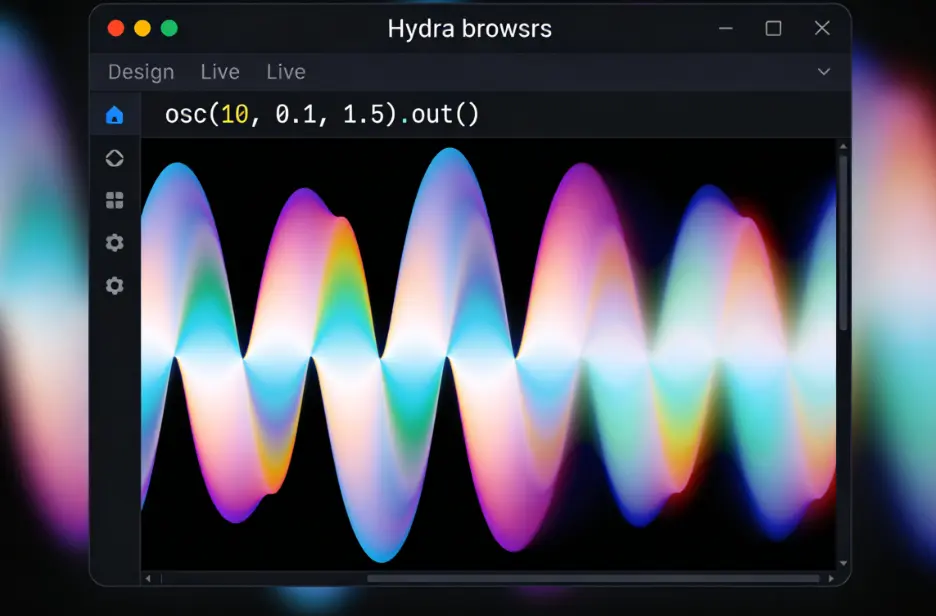
What if you could create those hypnotic, pulsating visuals you’ve seen at concerts and in music videos—starting tonight, for free? Video synthesis might seem like an expensive, technical mystery reserved for experts with thousands of dollars in specialized gear. But here’s the truth: this captivating art form has never been more accessible. This guide breaks down everything you need to know about video synthesis, from your first free experiment to building a complete creative setup. Whether you’re a musician wanting live visuals, a content creator seeking unique aesthetics, or simply curious about this mesmerizing medium, you’ll find your pathway here. What Is Video Synthesis (And Why Should You Care)? Video synthesis is the art of generating visuals electronically rather than capturing them with a camera. Think of it as painting with light and electronic signals—creating imagery from scratch through oscillators, feedback loops, and algorithmic processes. Video Synthesis vs Video Editing: Understanding the Difference While video editing manipulates existing footage, video synthesis generates entirely new visuals from electronic signals and code. Editors cut and arrange clips; synthesists create imagery that never existed before. This fundamental distinction is what makes synthesized visuals so unique and hypnotic. The Creative Renaissance: Why Video Synthesis Is Trending Live performance culture is driving renewed interest in real-time visual creation. Social media’s appetite for unique content, combined with the lo-fi aesthetic movement, has brought video synthesis back into the spotlight. Modern tools have also lowered the barrier to entry significantly. Who Uses Video Synthesis Today? Video synthesis attracts diverse creators: VJs performing at concerts, musicians adding reactive visuals to their sets, digital artists exploring generative aesthetics, and content creators seeking distinctive looks for their work. How to Start Video Synthesis Tonight (For Free) The best way to understand video synthesis is to try it immediately. You can create your first visual in minutes without spending anything or installing software. Hydra: Your Free Browser-Based Starting Point Hydra is a browser-based live coding environment that requires zero downloads. Simply visit the website, and you’re ready to synthesize. Try this basic code to see immediate results: This single line creates an oscillating pattern. Modify the numbers and watch the visual transform in real-time. Waaave Pool and Signal Culture Apps For downloadable options, Waaave Pool offers glitch effects and feedback experimentation completely free. Signal Culture apps provide quick experimentation tools perfect for learning core concepts without complexity. Your First Video Synthesis Project: A 10-Minute Tutorial Start with Hydra. Type osc().rotate().out() to create rotating patterns. Add audio reactivity with a.show() to visualize your microphone input. Within ten minutes, you’ll have created your first audio-reactive visual. Key Takeaway: You don’t need any equipment to start—just open a browser and begin experimenting with Hydra. AI Video Generation: The Modern Alternative to Traditional Synthesis While traditional video synthesis requires learning specialized tools and techniques, modern AI offers an alternative pathway to stunning visuals with minimal learning curve. How AI Is Changing Video Creation AI models can now transform static images into dynamic video content, opening creative possibilities that previously required extensive technical knowledge. These tools democratize video creation for everyone. AI Image to Video: Transform Photos Into Professional Videos For creators wanting immediate results, AI Image to Video provides a straightforward approach. The platform supports multiple AI models including Kling, Veo, and Wan, delivering 4K output without watermarks. Batch processing capabilities make it particularly valuable for content creators managing multiple projects. Traditional Synthesis vs AI Generation: Which Is Right for You? Traditional synthesis offers hands-on control, unique analog aesthetics, and deep creative exploration—but comes with a learning curve. AI generation delivers professional results quickly with minimal technical knowledge. Consider them complementary approaches: use AI for quick content needs while developing synthesis skills for artistic expression. [Image: Comparison showing traditional synthesis workflow versus AI-generated video output] Video Synthesis at Every Budget: From $0 to $5000+ One of the most common questions in the community is about cost. Here’s transparent pricing guidance for every level. Free Tier: Software-Only Synthesis Under $500: Entry-Level Hardware The Chroma Cauldron Mainbow (~$350) offers CV and audio reactivity at an accessible price point. Used Critter & Guitari Eyesy units provide another affordable entry into hardware synthesis. $500-$1500: Serious Standalone Units The Sleepy Circuits Hypno 2 ($1000-1400) receives enthusiastic community praise for its all-in-one approach and audio reactivity. The new Lumatic Rorschach (~$500) is gaining traction as an excellent beginner option. $2000+: Modular Video Synthesis LZX Industries Gen3 represents the modular gold standard, offering unlimited creative possibilities. Be prepared: complete systems typically require $2000-10000+ investment. Key Takeaway: Start free with software, then graduate to hardware only after you’ve confirmed your passion for the medium. Software vs Hardware Video Synthesis: Making the Right Choice This decision shapes your creative journey. Understanding both approaches helps you choose wisely. The Case for Starting with Software Software offers zero cost to experiment, easy mistake correction through undo functions, extensive tutorials, and immediate access. You can explore deeply before committing financially. When Hardware Makes Sense Hardware provides tactile control essential for live performance, unique analog aesthetics impossible to replicate digitally, and a dedicated creative workflow. Some creators simply need physical knobs and buttons to express themselves fully. Decision Framework: A Flowchart for Your Situation Start with software if: you’re budget-conscious, exploring the medium, or primarily creating recorded content. Consider hardware if: you perform live regularly, crave tactile control, or want specific analog aesthetics. Essential Techniques Every Beginner Should Learn Certain techniques apply across all tools and form the foundation of video synthesis practice. The Video Feedback Loop: Cheapest Entry Point Point a camera at a screen displaying that camera’s feed—this creates infinite recursive visuals. You can achieve this today using just your smartphone and laptop. This classic technique remains one of the most accessible entry points. Audio Reactivity: Making Visuals Dance to Sound Connecting audio signals to visual parameters creates synchronized experiences. Most modern tools support audio input, allowing your visuals to pulse and transform with music or ambient sound. Understanding Signals: 1V, Sync, Ramps (Without the

Pika AI Review 2026: Features, Pricing, Honest User Verdict & Best Alternatives

Pika AI Review 2026: Features, Pricing, Honest User Verdict & Best Alternatives

With a $470 million valuation and millions of videos generated weekly, Pika AI has become one of the most talked-about names in AI video generation. But scroll past the impressive demos and you’ll find something troubling: a 1.6-star Trustpilot rating with 87% one-star reviews. If you’ve been burned by AI tools that look amazing in demos but disappoint in practice, you’re not alone. Users consistently report confusing credit systems, results that don’t match promotional examples, and customer service that simply doesn’t respond. This guide cuts through the marketing to give you the complete picture—what Pika can do, what it costs, and whether better alternatives exist for your needs. What is Pika AI? Pika Labs was founded by Stanford researchers and has raised $135 million in funding, reaching a valuation of approximately $470 million. With over 500,000 users generating content daily, they’ve struck a chord with creators hungry for easier video production. At its core, Pika AI transforms text prompts or static images into video clips. Access it through pika.art or Discord. The process is straightforward: upload an image or write a prompt, adjust settings like aspect ratio and duration, and let the AI work. What Sets Pika Apart: Pika AI Features Explained Pika 2.5 – Core Video Generation The main engine—text-to-video and image-to-video generation. Create clips from 480p to 4K resolution, typically 3-10 seconds. Quality varies significantly based on prompt complexity. Simple scenes render reasonably well; complex scenes with multiple subjects produce glitches and artifacts. Pikaframes – Frame Interpolation Create smooth transitions between two images. Works well for morphing effects, animated sequences from storyboards, and presentation transitions. Pikascenes – Multi-Element Scenes Combines multiple inputs into cohesive scenes. The promise is ambitious; the reality is more mixed. Simple combinations work—complex compositions with multiple elements often produce uncanny results. Pikaformance – Lip Sync Syncs video to audio for lip-sync animations up to 30 seconds at 720p. Works best with clear audio and simple movements. Complex dialogue often looks artificial. Pikadditions & Pikaswaps Pikadditions inserts new objects into existing footage. Pikaswaps replaces elements—swap colors, outfits, backgrounds. Both save editing time when they work. When they don’t, you’ve burned credits on unusable output. Pikatwists & Pikaffects Motion effects (camera movements, zooms, rotations) and stylization tools (anime conversion, film grain, artistic filters). These shine for social media content where style matters more than realism. Recent Updates Pika launched an iPhone app in July 2025 and introduced Predictive Video in October 2025. They’ve also launched pika.me for “AI Selves”—creating AI versions of yourself. Pricing & Credit System (2026) Here’s where most user frustration originates. The tiers look simple until you understand how credits work. Plan Monthly Annual Credits Watermark Commercial Free $0 $0 80 Yes No Standard $10 $8/mo 700 Yes No Pro $35 $28/mo 2,300 No Yes Fancy $95 $76/mo 6,000 No Yes The Free tier only includes Pika 1.5 and Turbo models—not the latest Pika 2.5. You need Pro ($35/month) minimum for watermark-free commercial content. The Credit Problem Credits vary based on resolution, duration, and feature used. The critical issue: failed generations still cost credits. Every time the AI produces unusable output, you’ve lost credits. Typical consumption: 10-50+ credits per usable video. With Standard’s 700 monthly credits and accounting for experimentation and failures, expect 10-30 usable videos monthly—potentially $0.33-$1.00 per video. Free tier reality: 80 credits disappears in approximately 10 minutes. It exists to show the interface, not to create content. Don’t evaluate Pika’s capabilities based on the free tier—it’s intentionally limited. Pika AI vs Competitors Pika AI vs Runway ML Runway offers professional-grade Gen-4.5 with multi-motion brush controls and superior physics simulation. For client work or professional projects, Runway’s higher cost often justifies the quality difference. Pika AI vs Sora (OpenAI) Sora delivers clips up to 60 seconds with physics simulation other tools can’t match. Included with ChatGPT Plus at $20/month. Pika AI vs Kling Kling excels at physics-based motion—popular for dance videos, product demos, dynamic movement. Other Alternatives For watermark-free 4K output without premium pricing, AI Image to Video offers access to multiple models including Kling and Veo. Higgsfield AI provides 50+ cinematic camera movements with consistent results. Google Veo 3.1 delivers cinematic quality but remains invite-only and US-restricted. Real User Reviews What Users Love From Reddit communities, Pika earns praise for: One reviewer called Pika “the fun, agile sports car—not for cross-country realism trips, but perfect for zipping around with creative styles.” Common Complaints One user who spent $300 testing AI video tools concluded they’re “all built for viral 5-second clips—useless for narrative work.” The Trustpilot Problem (1.6/5) Pika’s Trustpilot page shows 87% one-star reviews. Primary complaints: This isn’t a small sample of unhappy users—it’s a systemic pattern Pika hasn’t addressed publicly. Best Use Cases Social Media Content: Pika’s sweet spot. TikTok, Reels, Shorts thrive on eye-catching content where perfection matters less than creativity. Fast generation and multiple aspect ratio exports make it ideal for daily publishers. Meme Edits & Viral Clips: Pikaswaps and Pikaffects are practically designed for meme culture. Swap faces, add effects, create surreal transformations—quickly enough to ride trending moments. Quick Prototyping: Test concepts rapidly before investing in higher-production tools. Generate visualizations, share with collaborators, iterate before committing. Who Should (and Shouldn’t) Use Pika AI Best For: Consider Alternatives If: FAQs Is Pika AI really free?Technically yes—80 credits without paying. Practically? Those credits disappear in 10 minutes. The free tier includes watermarks, prohibits commercial use, and limits you to older models. How many credits does a video cost?Expect 10-50+ credits per video depending on resolution and duration. Failed generations still consume credits—budget for multiple attempts. Can I use Pika videos commercially?Only on Pro ($35/month) and Fancy ($95/month) plans. Standard explicitly prohibits commercial use. Why the bad Trustpilot reviews?Non-responsive customer service, confusing cancellation, and paying for failed AI generations. These are systemic problems Pika hasn’t publicly addressed. Conclusion Pika AI represents both the promise and pitfalls of current AI video generation. Its $470 million valuation reflects real innovation—fast generation, creative effects, and an accessible price point. But innovation

AI Kiss Video Generator: The Truth About Free Tools & How to Create Realistic Results

AI Kiss Video Generator: The Truth About Free Tools & How to Create Realistic Results

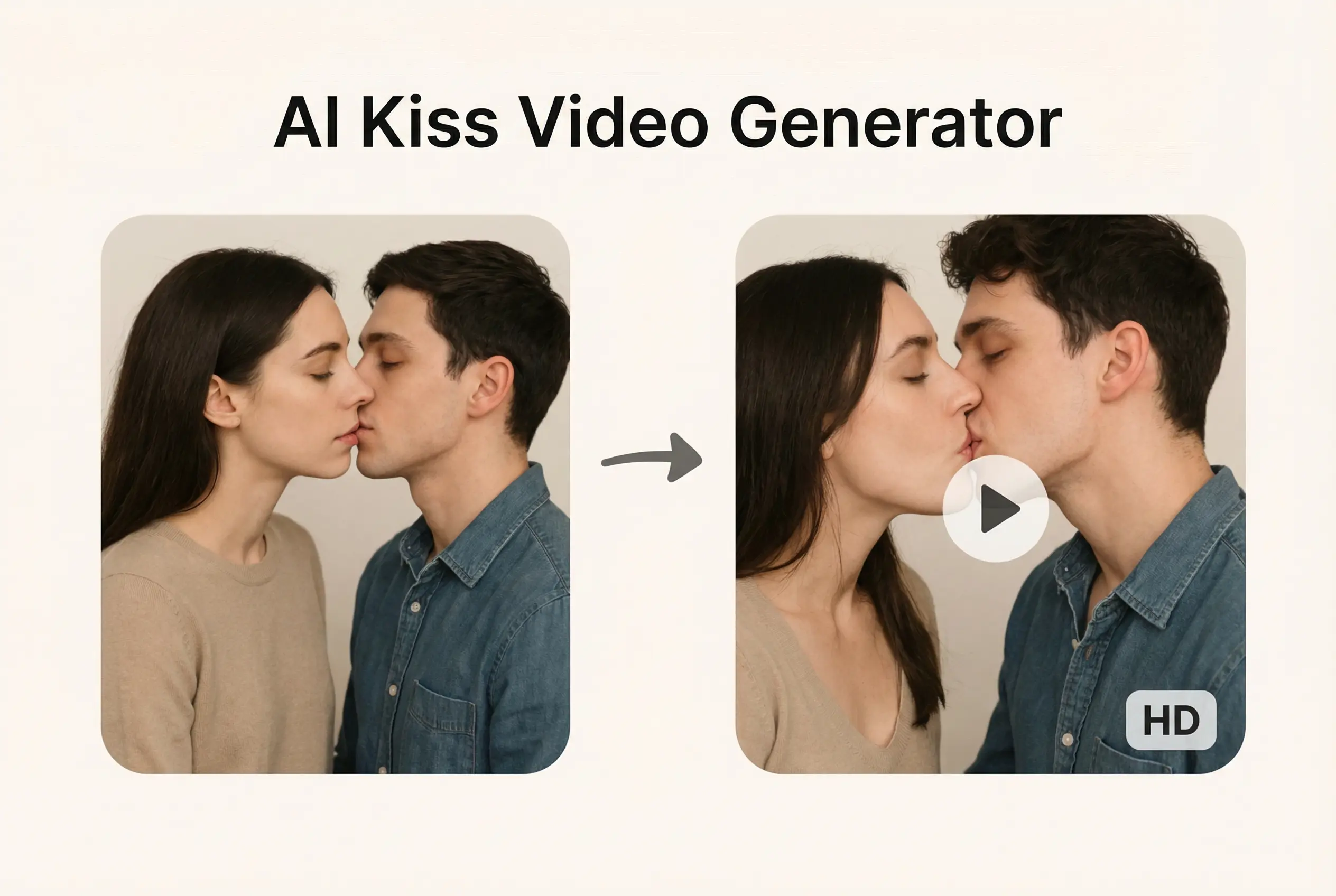
AI-generated kissing videos have exploded across social media platforms, transforming ordinary photographs into surprisingly realistic romantic content. But if you’ve searched for a “free AI kiss generator,” you’ve likely encountered the same frustrating pattern: tools promise unlimited free access, only to demand payment after just two videos. This guide cuts through the marketing noise. We’ve evaluated over fifteen AI kissing video generators to reveal which ones actually deliver value, walk you through the creation process, and address the ethical questions you should consider before getting started. What Is an AI Kiss Video Generator? An AI kiss video generator transforms static photos into animated videos depicting kissing or romantic interactions between subjects. These tools leverage advanced machine learning to analyze facial features, predict natural movements, and synthesize realistic video output. How AI Kissing Video Technology Works The underlying technology combines several AI disciplines. Facial recognition identifies key landmarks on uploaded images. Motion synthesis algorithms then predict how faces would naturally move during a kiss. Deep learning models—similar to those powering tools like Kling AI with its physics engine—generate frame-by-frame animations that blend source images into fluid video. Image-to-Video vs Text-to-Video Generation Most kiss generators require photo uploads, where you provide images of the subjects. Text-to-video options exist but typically produce less personalized results. The photo-based approach raises privacy considerations since your images get processed on external servers. Why AI Kiss Videos Went Viral Several factors drove adoption: accessibility through browser-based tools, the entertainment value of seeing fictional or fantasy scenarios animated, and social media’s appetite for novel content. Couples use these for fun, creators make them for engagement, and some generate them purely for memes. The Truth About “Free” AI Kiss Video Generators Here’s what the marketing pages won’t tell you upfront: genuinely unlimited free options are extraordinarily rare. What “Free” Really Means (Credit Systems Explained) Most platforms operate on credit-based systems. Deevid AI provides two free generations before requiring payment. Pollo AI similarly offers two complimentary videos. Runway ML grants 125 free credits initially, but each video generation consumes multiple credits. When YouTube tutorials claim tools are “free,” commenters consistently push back with responses like “NOT FREE” and “everything charges money.” Hidden Costs and Watermark Policies Free tiers typically include prominent watermarks on output videos. Resolution gets capped at lower quality. Export formats may be limited. To get watermark-free, high-resolution results, paid subscriptions become necessary across virtually all platforms. Truly Unlimited Options (Local Generation) The sole genuinely unlimited path involves running AI models locally through tools like ComfyUI paired with Civitai models such as “passionate-kissing” or “wan-french-kissing-v1.” This approach requires a capable GPU, technical comfort with installation processes, and significant setup time—but produces unlimited free generations with complete privacy since nothing gets uploaded externally. Best AI Kiss Video Generators Compared (2026) After testing multiple platforms and analyzing user feedback from Reddit and YouTube communities, here’s how leading tools stack up: Deevid AI – Best for Beginners Template-based approach requiring no prompt engineering. Simply select a kiss template, upload your photo, and generate. The tradeoff: only two free videos, with paid plans needed afterward. Media.io – Best for Multiple Effects Offers variety beyond standard kisses, including French kiss effects. Maintains a free tier with limitations. Strong brand recognition makes it a common starting point for newcomers. MagicShot – Best for Speed Praised in technical communities for fast generation times and solid facial realism. Credit-based system applies, but generation speed stands out among competitors. Pollo AI – Best for Kiss + Hug Combo Combines kissing and hugging effects in one platform. Beginner-friendly interface with two free videos available—useful for users wanting varied emotional content. VividHubs – Best for Use Case Variety Covers multiple applications including romantic content, meme creation, and artistic projects. Template library provides versatility beyond single-purpose tools. Runway ML – Best for Professionals Industry-standard creative tool with multi-motion brush for precise control. Starts at roughly $15 monthly after the initial 125 free credits. Overkill for casual users but valuable for serious content creators. Platforms like AI Image to Video’s free AI kissing video generator offer simpler workflows for those who don’t need professional-grade controls. KissGenAI – Best Budget Option Offers a $5 lifetime deal according to Reddit discussions. For users wanting affordable one-time payment rather than ongoing subscriptions, this presents an economical alternative. Local Options (ComfyUI + Civitai) – Best for Privacy Completely free and unlimited once configured. Models like “lez-make-out” run entirely on your hardware—no photo uploads to external servers. Requires GPU and technical knowledge but delivers maximum privacy and zero recurring costs. How to Create an AI Kissing Video (Step-by-Step) Step 1: Choose Your AI Tool Match your priorities: simplicity seekers should try template-based options like Deevid AI, privacy-focused users should explore ComfyUI local setups, budget-conscious creators might prefer KissGenAI’s lifetime deal, and professionals benefit from Runway ML’s advanced controls. Step 2: Prepare and Upload Your Photos Select images with clear facial visibility, good lighting, and similar angles between subjects. Higher resolution source material produces better results. Consider privacy implications before uploading personal photos to cloud-based services. Step 3: Select Template or Enter Prompt Template-based tools simply require clicking your preferred effect. Prompt-based tools need descriptive text. Keep prompts focused on the desired action rather than elaborate scenarios. Step 4: Generate and Download Generation typically takes thirty seconds to two minutes. Preview results before downloading. Most free tiers include watermarks—paid versions remove these. Common Mistakes to Avoid Blurry source images produce poor results. Mismatched face angles between subjects create unnatural outputs. Ignoring terms of service risks losing access. Expecting truly unlimited free usage sets up disappointment. Free vs Paid AI Kiss Generators: Honest Comparison Feature Comparison Table Tool Free Videos Watermark-Free Resolution Monthly Cost Deevid AI 2 Paid only Limited Varies Media.io Limited Paid only Limited Varies Pollo AI 2 Paid only Limited Varies Runway ML 125 credits Paid only High ~$15+ ComfyUI Unlimited Yes High $0 (local) When Free Is Enough One-time use for curiosity satisfies most casual interest. Testing multiple platforms before committing works well

How to Make a Video Out of Photos: Complete Guide 2026

How to Make a Video Out of Photos: Complete Guide 2026

What if you could take the only photo of your grandfather and watch him smile, turn his head, and even speak? AI has made this possible, and it’s easier than you think. Here’s the reality: millions of people search for how to make a video out of photos expecting one thing and finding another. Some want a simple slideshow with music. Others want AI to actually animate their photos. This guide covers both approaches with honest tool comparisons and practical tips from real users. Understanding Photo-to-Video: Slideshows vs AI Animation Before diving into tools, you need to understand the fundamental difference between these two approaches—the #1 source of user confusion online. What is a Traditional Photo Slideshow? A traditional photo slideshow displays your photos in sequence with transitions, music, and custom timing. The photos themselves remain static—movement comes from effects like fades, dissolves, or the classic Ken Burns pan-and-zoom. This approach works perfectly for wedding videos, birthday celebrations, and memorial tributes. What is AI-Powered Photo Animation? AI-powered animation is fundamentally different. Tools like Google Veo, Kling AI, and Runway use machine learning to generate actual motion from still images. A person in your photo can blink, smile, turn their head, or even appear to walk. As generative AI continues to unlock an ever-expanding range of creative possibilities, traditional use cases such as photo walls and slideshow presentations on wedding or birthday celebrations are gradually being reimagined—and increasingly replaced—by AI-driven approaches. I try to make a clip of wedding opening video with fantasic effect, which can definitely not be shot by real couples: Best Free Tools for Creating Photo Videos The frustrating truth? Most “free” tools have limitations. Here’s an honest assessment. CapCut – Best for Beginners Pros: Truly free tier, intuitive interface, works on mobile and desktop, includes AI features. Cons: CapCut’s Terms of Service grant them rights to use your content—a concern raised frequently on Reddit. Best for: Quick social media videos and TikTok content. Canva – Best for Quick Slideshows Pros: Drag-and-drop simplicity, massive template library, easy sharing. Cons: Premium assets require Pro subscription ($12.99/month). Best for: Event slideshows and non-designers who want polished results fast. Google Photos – Best for Mobile Users Pros: Completely free, automatic highlight videos, cross-platform sync. Cons: Limited customization options. Best for: Personal videos when you’re already storing photos in Google Photos. iMovie – Best for Apple Users Pros: Free for Mac and iPhone, professional quality output, built-in Ken Burns effect. Cons: Apple ecosystem only. Best for: Apple users wanting polished results without learning complex software. Microsoft Clipchamp – Best for Windows Pros: Built into Windows 11, no download needed, beginner-friendly interface. Cons: Limited advanced features compared to dedicated editors. Best for: Windows users who want a quick native solution. AI Tools That Bring Photos to Life This is where things get exciting—and expensive. Here’s what each AI tool actually offers. Google Veo 2/3 – Best Quality AI Generative Video Google’s Veo produces some of the best AI video quality available. However, it requires a Gemini subscription (~$20/month) and has a strict 3-4 videos per day limit. Many features remain US-only. Kling AI – Best for Character Consistency Reddit users frequently recommend Kling over alternatives like Sora for maintaining character consistency across clips. Free credits are available to start, making it accessible for testing. Runway – Best for Creative Control Runway offers professional-grade controls including motion brush and camera path editing. Subscriptions range from $12-$76/month. Best for filmmakers wanting fine-tuned results. AI Image to Video – Best for Free Output This platform integrates multiple AI models including Kling, Veo, and Wan. Key advantages include 4K resolution output, no watermarks, and batch processing for high-volume creation—addressing the common complaint that “none of them are fully free.” More tools’ reviews can be found here! Step-by-Step: AI Photo Animation Most guides skip the critical preparation step that makes or breaks your results. Preparing Your Photos (The Restore-First Workflow) Before animating, especially with old photos: This “restore then animate” workflow is consistently recommended in Reddit’s AI communities. Choosing the Right AI Tool Match your tool to your use case: Writing Effective Prompts AI prompting tips from experienced users: Generating and Refining Results Set realistic expectations. Most AI tools produce 5-20 second clips maximum. To create longer videos: Tips for Professional-Looking Photo Videos These techniques separate amateur slideshows from professional-quality videos. The Ken Burns Effect Explained Named after the documentary filmmaker, this technique adds subtle pan and zoom movements to static images. Nearly every video editor supports it through keyframe animation. Matching Music to Photo Timing Beat-syncing creates a polished feel. Change photos on musical beats, or use tools with auto beat detection. Most viewers won’t consciously notice, but they’ll feel the difference. Using Keyframe Animation For custom motion paths: Keep movements subtle—dramatic zooms cause motion sickness. Platform-Specific Guides Workflows differ significantly between devices and platforms. iPhone/iOS Methods Android Methods Desktop/PC Methods Social Media (Instagram Reels, TikTok, Shorts) Use 9:16 vertical aspect ratio for all short-form platforms. TikTok’s Photo Mode is specifically designed for photo carousels. Each platform has its own music library to avoid copyright issues. FAQs About Making Videos from Photos How long should each photo display in a video? Standard timing is 3-5 seconds per photo. Use 2-3 seconds for energetic music, 5-7 seconds for emotional content. For a 2-3 minute video, use 15-25 photos. What resolution should my photos be? Minimum 1920×1080 (1080p equivalent). Ideal is 3840×2160 (4K) or higher. Upscale low-resolution photos with AI tools before use. Can I add music without copyright issues? Yes. Use royalty-free sources like YouTube Audio Library or Pixabay Music. Most editing tools include built-in music libraries. Personal use has more flexibility than commercial/monetized content. Why does my AI-animated photo look weird? Common causes: low source image quality, overly complex prompts, or wrong tool for the photo type. Solution: start with clear, well-lit photos and keep prompts simple. How do I extend AI video clips beyond 5 seconds? Use the “frame continuation” technique: export your clip, use

Frequently Asked Questions

Is this video to GIF converter completely free?

Yes, this converter is entirely free with no hidden costs, premium tiers, or usage limits. Convert unlimited video files without creating an account. It runs in your browser at zero cost — convert MP4 to GIF, MOV, and every other format for free.

Are my files uploaded to any server?

No. All conversion happens entirely in your browser using WebAssembly technology. Files never leave your device, and no data reaches any external server. This safe GIF processing approach ensures complete privacy for every source you convert.

What formats does this converter support?

The converter supports every major video format. Convert .mp4 to GIF, .mov, AVI, MKV, WebM, FLV, WMV, 3GP, and MPEG video files. The FFmpeg engine handles all common codecs for reliable conversion with consistent quality results.

How do I reduce the output file size?

Use the GIF trimmer to shorten clip duration, reduce the width setting, and lower FPS to 5-8 frames. These adjustments help you optimize GIF output significantly. A 5-second clip at 320px width typically produces a compact, shareable result that loads quickly on any platform.

Can I convert GIF to video format?

This tool is designed to convert video files to animated format, not the reverse. If you need to convert GIF to video, a separate tool is required. For all video-to-animation needs — whether MP4, MOV, or other formats — our converter delivers professional-quality results every time.

What is the best FPS setting?

For standard conversion, 10 FPS delivers smooth animation with reasonable file sizes. Use 15-20 FPS for screen to GIF captures where motion clarity matters. For reaction images and memes, 5-8 FPS works well while keeping files small. Higher FPS means smoother playback but larger output.

Does the converter work on mobile phones?

Yes, our video converter works on mobile browsers including Chrome, Safari, and Firefox on iOS and Android. Convert any video clip and download the result directly on your phone. The responsive interface adapts to any screen size for seamless mobile creation.

Start Making Animated GIFs from Your Videos Now

Use our free converter to turn any video into a stunning animated result. No sign-up, no server uploads, no cost. Convert MP4 to GIF, MOV, or any other format — the converter delivers high-quality output every time.